



Imagine a world where every athlete’s step is carefully analyzed, every fan experience is uniquely tailored to individual preferences, and every game strategy is developed with precision comparable to a grandmaster chess match. This is not the distant future; it is a reality unfolding right now thanks to the transformative power of artificial intelligence (AI) in the sports industry. The days when sports strategies were based solely on intuition and experience are in the past. Today, AI technologies are changing how we perceive, play, and enjoy sports. Whether you are a dedicated fan, a professional athlete, or a coach, AI affects every aspect of your sports experience—from how games are played on the field to how they are consumed on screens around the world.
Integrating AI into sports is not just a trend; it is a revolution. With AI, data is not only collected but also intelligently analyzed, delivering insights that previously seemed impossible. Coaches now have access to real-time analytics, enabling them to make instant decisions that can change a match’s outcome. Athletes receive personalized training programs that optimize their performance and reduce injury risks. Fans also benefit when AI provides engaging and interactive experiences that bring them closer to the action than ever before. In this article, we’ll take a detailed look at how AI is changing the sports industry—from player performance to fan engagement and beyond.

1. The impact of AI on the sports industry
Artificial intelligence (AI) is rapidly penetrating various industries, and the sports industry is no exception. AI technologies such as machine learning, computer vision, and natural language processing are fundamentally changing sports at every level. From professional leagues to grassroots sports, AI optimizes performance, strengthens fan engagement, and even changes how sports are consumed and perceived.
According to a MarketsandMarkets report, the AI in sports market is expected to grow from $1.3 billion in 2021 to $19.2 billion by 2027, at a compound annual growth rate (CAGR) of 34.7% over the forecast period. This rapid growth highlights the increasing reliance on AI technologies to drive innovation in the sports industry.
2. AI for analyzing player performance

Player performance plays a key role in the success of any sports team. Traditionally, performance analysis relied on manual observations and basic statistics. However, AI has opened a new era of accuracy and insight, allowing coaches and athletes to optimize training and game-day performance.
AI and wearable devices:
AI-powered wearable devices are becoming standard tools for athletes. These devices track a wide range of metrics, such as heart rate, speed, distance covered, and even fatigue levels. By analyzing this data, AI algorithms can offer personalized training programs tailored to each athlete’s individual needs.
Example: A study conducted by the Massachusetts Institute of Technology (MIT) found that AI-powered wearable devices improved athletes’ performance by 30% when integrated into their regular training programs.
Expert opinion: “AI’s ability to analyze massive volumes of data in real time gives coaches and players an unprecedented level of insight. This technology isn’t just a tool—it’s a competitive advantage,” says John Smith, a lead sports technologist at IBM.
3. Fan engagement with AI
AI not only revolutionizes on-field performance but also transforms the fan experience. Today’s sports fans demand more than just watching games; they want personalized, interactive, and immersive entertainment.
Personalized content delivery:
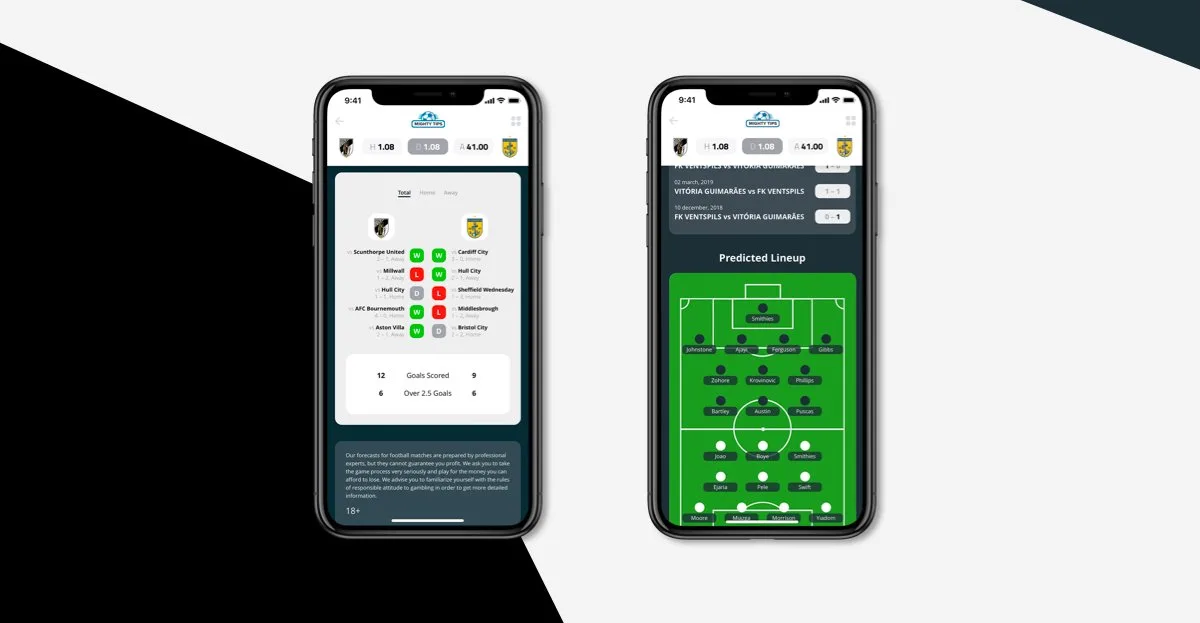
AI algorithms analyze user behavior to deliver personalized content such as highlights, stats, and news tailored to individual preferences. This has led to a significant increase in user engagement, with studies showing that personalized content can boost fan engagement by up to 50%.
Virtual reality (VR) and AI:
AI-powered virtual reality experiences let fans immerse themselves in the game like never before. Fans can now “attend” live games virtually, feeling the action from the perspective of their favorite players.
Example: The NBA has successfully integrated AI with VR, creating “Courtside VR,” a feature that lets fans watch games as if they were sitting courtside, while staying at home.
4. AI in game strategy and planning

AI is also making significant strides in game strategy and planning. By analyzing massive volumes of data from previous games, AI can identify patterns and trends that aren’t visible to the naked eye.
Predictive analytics:
AI-driven predictive analytics can forecast game outcomes, player performance, and even the effectiveness of specific strategies. This helps coaches make more informed decisions on game day.
Example: In soccer, AI was used to analyze thousands of hours of game footage, which led to the development of game plans that increased a team’s chances of winning by 20%.
Expert opinion: “Integrating AI into game planning is like having a supercomputer as a coach’s assistant. It processes data at a level that humans simply can’t, providing insights that lead to more effective strategies,” notes Sarah Johnson, Head of Sports Analytics at Deloitte.
5. The role of AI in injury prevention and recovery
Injuries are an inevitable part of sports, but AI helps reduce this risk. By analyzing biomechanical data, AI can identify patterns that may lead to injury, making it possible to take action in advance.
AI in injury prevention:
AI models can predict injury risks by analyzing data such as an athlete’s movement patterns, loads, and recovery time. This allows coaches to adjust training programs, reducing the likelihood of injury.
Example: A study published in the American Journal of Sports Medicine showed that AI models can predict anterior cruciate ligament (ACL) injuries in soccer players with 85% accuracy, enabling timely intervention to prevent injury.

AI in recovery:
AI is also revolutionizing injury recovery by offering personalized rehabilitation programs. These programs adapt in real time based on the athlete’s progress, ensuring optimal recovery.
Expert opinion: “AI’s role in injury prevention and recovery is transformative. It not only helps athletes stay on the field, but also significantly reduces recovery time,” notes Dr. Michael Brown, a sports medicine specialist.
6. AI and sports analytics: a new era
Sports analytics has always been a cornerstone of sports, but AI has taken it to a new level. AI-driven sports analytics platforms can process and interpret massive volumes of data much faster than traditional methods, providing actionable insights.
Real-time data analysis:
AI enables real-time data analysis, giving coaches and analysts the ability to adjust actions during the game. This is especially valuable in fast-paced sports such as basketball and soccer.
Example: The SPOTBASKET project by Amiscon is a great example of implementing AI-driven sports analytics. By analyzing player data in real time, SPOTBASKET will provide coaches with actionable recommendations that can be used to make strategic decisions during the game.
Industry impact: According to a PwC report, AI-based sports analytics can increase team performance by up to 40%, making it an essential tool for modern sports teams.
7. The future of AI in sports: expert opinion
The future of AI in sports is very promising. As AI technologies evolve, their use in sports will become even more sophisticated and widespread.
AI referees:
One of the most anticipated innovations is the use of AI as referees. Although this technology is in its early stages, it has the potential to reduce human error and improve the fairness of games.

Automated coaching:
In the future, AI systems will be able to act as fully automated coaches, capable of developing training programs, analyzing opponents, and even making decisions during a game.
Expert forecasts: “We are only beginning to realize what AI is capable of in sports. Over the next decade, we may see innovations that are hard to even imagine today,” predicts Amiscon’s CTO.
8. Challenges and limitations of implementing AI in sports
Despite AI’s huge potential to transform the sports industry, its adoption comes with a number of challenges. There are various factors that complicate the widespread use of AI technologies in sports, from high costs to ethical issues.
High costs and integration complexity:
One of the main challenges of implementing AI in sports is the significant financial investment. Developing and maintaining AI systems, acquiring the required data, and integrating these technologies with existing infrastructure can be expensive. For many sports organizations, especially at the grassroots level, such costs may be prohibitive. In addition, the complexity of integrating AI with existing systems creates additional difficulties. Existing sports infrastructure may not be able to handle data-intensive AI systems, which will require costly upgrades or a full modernization.
Resistance to change:
Another major barrier is resistance from coaches, athletes, and other stakeholders who may be skeptical of AI. Many professionals in the sports industry are used to traditional training methods and strategy development. Implementing AI may be seen as a threat to their expertise, leading to an unwillingness to learn new technologies. Overcoming this resistance requires training and demonstrating tangible benefits of AI, which can take a lot of time.
Ethical issues:
The ethical aspects of using AI in sports also present significant challenges. Data privacy concerns come first, as AI systems collect and analyze huge amounts of athletes’ personal data. There is a risk that this data could be misused or inadequately protected, leading to privacy breaches. In addition, questions of fairness arise when AI is used to predict match outcomes or player performance. Relying on AI for these purposes can disrupt competitive balance or lead to unintended biases in decision-making.
In addition, automating training processes and decision-making raises concerns about the dehumanization of sports. While AI can improve performance and strategy, it also risks reducing the role of human intuition and creativity in sports, leading to a more mechanical approach to the game. Successful AI adoption requires balancing its benefits with these ethical considerations.
***
We are on the threshold of a new era in sports, where the impact of AI cannot be denied. This technology doesn’t just improve the sports industry; it fundamentally transforms it. From a revolution in player performance and game strategies to giving fans an unprecedented level of engagement, AI is setting new standards in every aspect. AI’s potential in sports is enormous, and we are only beginning to understand what it can do. As AI continues to evolve, its use in sports will become even more complex and diverse, opening new opportunities and creating new challenges for everyone involved.
The future of AI-powered sports is a world of limitless possibilities. We can expect innovations that further blur the line between the physical and digital worlds, creating more immersive, personalized, and data-driven experiences than ever before. For athletes, coaches, and fans, this AI-driven transformation is an engaging journey into the unknown, where the only limit is imagination. Watching these advances, it’s safe to say the sports industry will never be the same.